Places

Nine places that show you Amsterdam

Canals, museums, bridges and windmills: short stories, practical facts and the best time to see each one.

Damrak and the canal houses
01

Damrak and the canal houses

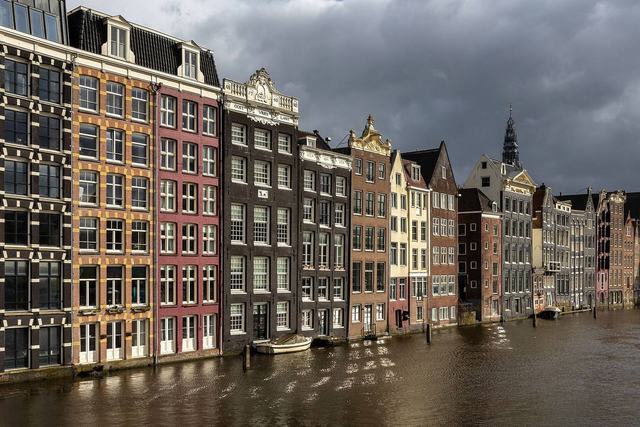
Damrak leads from Central Station to Dam Square, and along its water the narrow gabled houses lean gently against each other. Their tall windows and hoisting beams were designed for merchants who stored goods in the attic.

Walk it early, before the crowds, when the water is calm and the facades are mirrored perfectly in the canal. A few steps to either side and you are in quieter streets.

Best time
Golden hour or first thing in the morning
Getting there
Straight ahead from Amsterdam Central Station
Nearby
Dam Square, the Royal Palace and the Nieuwe Kerk
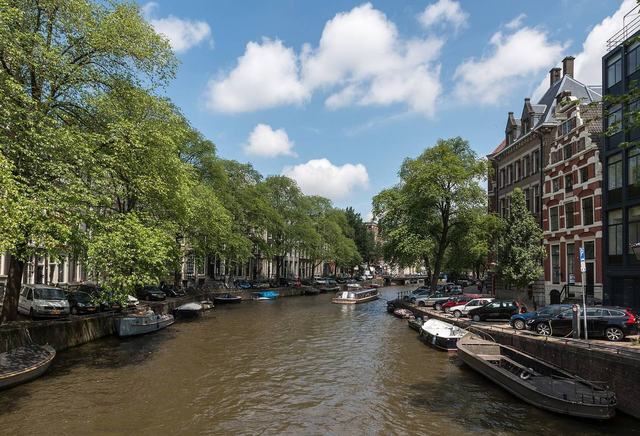
Herengracht and the Golden Bend
02

Herengracht and the Golden Bend

The Herengracht is the most elegant of the three main canals. Its central stretch, known as the Golden Bend, has some of the widest and most richly decorated houses in the city, built for the richest merchants of the seventeenth century.

Look up at the gables: bell, neck, step and spout gables each mark a different period. The best way to see them is on foot along the canal, crossing a bridge whenever you feel like a change of view.

Best time
A calm morning, when the houses reflect in the water
Getting there
Tram or a ten-minute walk from Dam Square
Tip
Cross over at a bridge to see the house fronts from the opposite bank
Cycling in the Jordaan
03

Cycling in the Jordaan

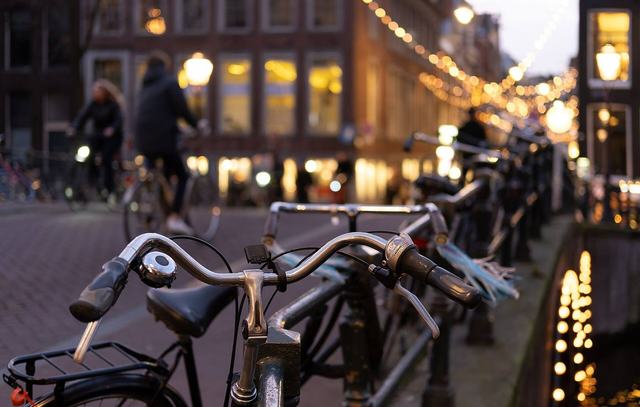
The Jordaan began as a district for workers and craftsmen and today is a maze of narrow streets, tiny galleries, cafes and hidden courtyards. Bicycles lean on every bridge and railing, and people move at exactly the right speed.

Leave the map in your pocket. Follow the smaller canals, stop for coffee at a corner cafe and look for the courtyards called hofjes behind unassuming doors.

Best time
Weekday mornings, or Saturday for the farmers' market
Getting there
Fifteen minutes on foot or by bicycle from the Central Station
Tip
Always lock your bicycle with two locks, and one of them to a fixed object
The Rijksmuseum
04

The Rijksmuseum

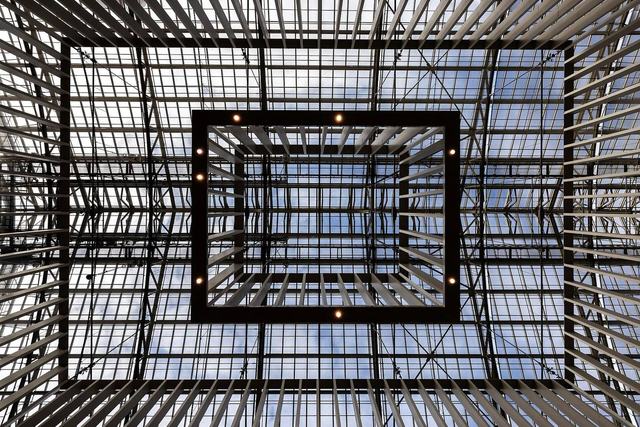
The Rijksmuseum reopened in 2013 after a decade of renovation, with a glass-roofed atrium that makes the entrance hall one of the most beautiful public spaces in the city. Its collections tell the story of Dutch art and history in a few hours.

Rembrandt's The Night Watch is the star, but do not skip the small rooms: Vermeer's quiet interiors, delft pottery and ship models reward slow looking. The gardens outside are free to enter.

Best time
The first hour after opening, or a weekday afternoon
Getting there
Tram to Rijksmuseum, or a ten-minute walk from the Leidseplein
Tip
Book a timed ticket online in high season
Canals at night
05

Canals at night

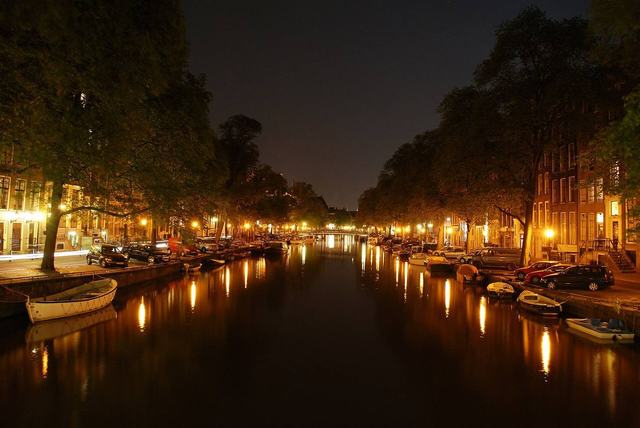
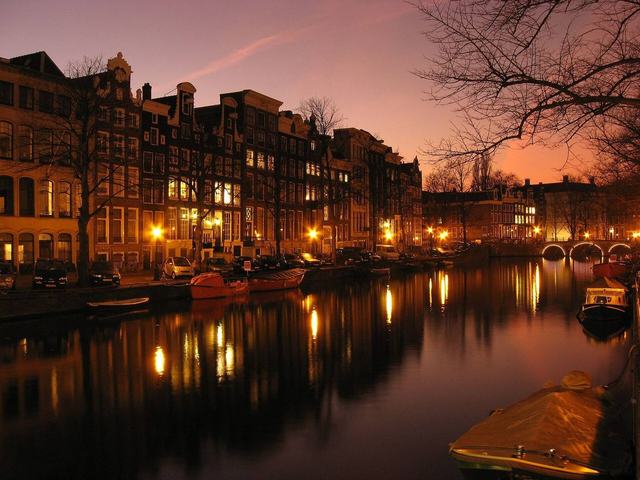
When the sun sets the bridges are outlined with small lights and the houses glow behind their uncurtained windows. Dutch homes traditionally keep the curtains open, so an evening walk becomes a slow tour of ordinary life.

In winter the canals host the Amsterdam Light Festival, with illuminated artworks on the water and along the banks. A boat trip or a slow walk at dusk is the best way to see it.

Best time
Blue hour, about half an hour after sunset
Getting there
Any canal in the centre; try the Reguliersgracht for a sequence of seven bridges
Tip
Wrap up warmly, even in summer
De Gooyer windmill
06

De Gooyer windmill

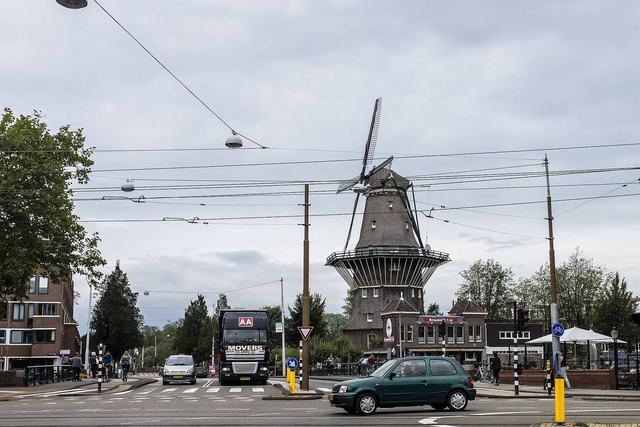
De Gooyer stands at the edge of the old Eastern Docklands and is the tallest wooden windmill in the Netherlands. It was moved to its present position in 1814 and is still a landmark of the neighbourhood.

The windmill now sits next to a well-known local brewery, and its tasting room is a good place to end a walk. The surrounding streets are calm and full of old warehouses.

Best time
Late afternoon, when the sails catch the light
Getting there
Tram or a twenty-minute walk from the Central Station
Nearby
The Funen quays and the Eastern Docklands
The Skinny Bridge (Magere Brug)
07

The Skinny Bridge (Magere Brug)

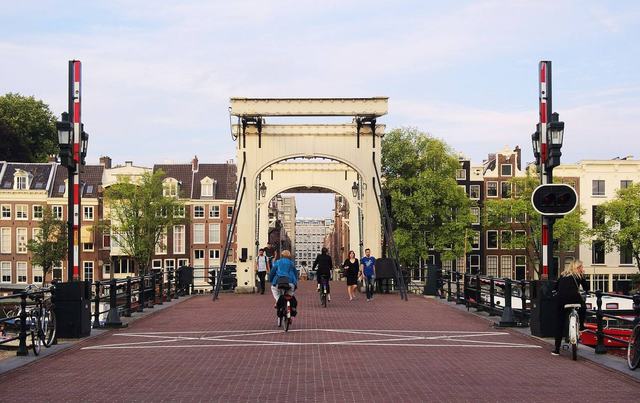
A bridge stood here as early as 1691, and the present one dates from 1934. It is a double-leaf drawbridge that still opens for boats, and at night it is outlined by about twelve hundred small lights.

Stand on the nearby bank for the classic view across the river, or walk over the bridge itself. The Amstel is wide and calm here, and the riverside walk is one of the loveliest in the city.

Best time
Evening, after the lights come on
Getting there
Ten minutes on foot from Waterlooplein or Rembrandtplein
Tip
Watch it open for a boat, which happens several times a day
Prinsengracht
08

Prinsengracht

The Prinsengracht is the longest of the canal-ring canals and has the most relaxed atmosphere. Houseboats line the water, cafes spill onto the pavement and the tall tower of the Westerkerk watches over the neighbourhood.

This is where many visitors come to see Anne Frank's house, so book ahead if you want to visit. Otherwise simply walk along the water and find a bench in the sun.

Best time
A weekday morning, before the crowds
Getting there
Tram to Westermarkt, then walk along the canal
Tip
Take a small electric boat for a quiet view from the water
NEMO Science Museum
09

NEMO Science Museum

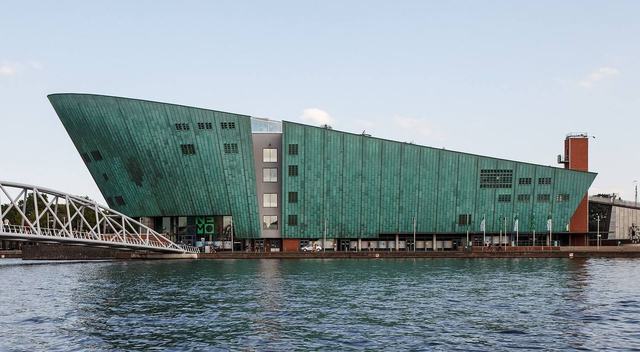
NEMO rises from the water like the bow of a ship. The building was designed by Renzo Piano and opened in 1997, and the copper skin has weathered to a rich green over the years.

Inside the exhibits are hands-on and aimed at families, but the roof terrace is the surprise: wide steps lead up to a public plaza with a broad view of the harbour and the old city.

Best time
A clear afternoon, for the harbour views from the roof
Getting there
Ten minutes on foot from the Central Station
Tip
Combine it with a walk around the nearby Eastern Docklands